想看:critical thinking skills的牙医同学推荐,作为三个混血小孩的白人母亲,她有太多的话要说,在学校的对待就是不公平的看过: 观看英国广播公司2020年的电影《教育》——对少数民族男孩金斯利的真实刻画,他在学校的系统性不公平中挣扎——让我既心痛又深感紧迫,尤其是在我们硕士课程讨论教育公平的当下。以下是我的关键反思,这些反思源于影片中最引人深思的片段,及其对教育政策与实践的更广泛启示。 1. 隐形语言和文化欺凌:当“小”偏见压制身份时 最让我触动的是影片对隐性欺凌的描绘——它并非公开的恶意,而是细微、日常的忽视与否定,不断削弱孩子的自我认同。金斯利对宇航员梦想的热情遭遇冷漠;老师更频繁地关注多数族裔同学,或用格外严厉的态度纠正金斯利的表达;学校历史课只聚焦主流文化叙事,完全忽略少数民族社区的贡献。这些看似“无害”的细节,却营造出令人窒息的氛围,让金斯利的愤怒与沮丧无处宣泄,最终的反抗也显得苍白无力。 最令人动容的是金斯利努力大声朗读却屡屡卡顿的场景。这不仅是识字能力的问题——更像是一则隐喻,象征着他的内心世界、梦想与身份被不断压制。学校未能契合他的成长背景,不尊重他的文化与声音,让本应成为“生命线”的教育,变成了阻碍他成长的壁垒。 2. 学校是社会的镜子:偏见不是“无辜的”——它是习得的 影片打破了“学校是纯粹象牙塔”的幻想。金斯利班上的孩子并非天生带有偏见——他们是在周围环境中,有意或无意地学到了偏见:比如教师对待少数民族学生的方式、教科书中缺失的多元故事,甚至成年人对“高级班级该有谁”的随意评价。残酷的现实是:童年时期的偏见,反映的是系统性歧视,而非单纯的“天真”。 但这也凸显了教育的核心意义。既然学校能延续不公,就同样能消除不公——通过倾听多元声音、培训教师识别自身偏见、打造让每个孩子都能感受到“被看见”的环境。影片的悲剧,不仅在于金斯利的痛苦,更在于学校没能实现这一关键目标。 3. 质疑测试的“客观性”:数字隐藏了文化偏见 影片对标准化测试的批判,与我们对教育政策的讨论高度契合。金斯利参加的智商测试被定义为“中立”,但其中充满了文化偏见——涉及的经验、词汇与文化知识,对像金斯利这样来自工人阶级的少数民族儿童而言,大多是陌生的。同样,像经合组织的PISA这类全球评估,虽常被视为衡量教育成功的“客观标准”,却将新移民(其中许多属于少数民族群体)排除在外,导致结果天然偏向主流文化。 我们习惯信任数字,因为它们看似“合乎逻辑”,但《教育》提醒我们:必须追问这些测试背后的假设是什么?哪些群体被纳入,又有哪些被排除?若测试的设计本身忽视了文化多样性与系统性障碍,其结果就不可能“公平”——反而会不断强化现有的不平等。这呼吁我们批判那些主导教育政策的“数据驱动”叙事,要求评估体系必须尊重学生生活的全部复杂性。 4. 集体行动中的希望:“我不会放过任何东西” 影片结尾时,我落泪了——不仅为金斯利的遭遇,更因为他奔走的社区组织带来的希望。他们的口号“我不会放过任何东西”,有力地印证了:改变从不会孤立发生。 教育无法解决所有问题,但它能成为推动正义的力量——前提是我们作为未来的教育工作者、政策制定者或社区成员,拒绝保持沉默。 对我而言,这一刻也让我明白我们硕士课程讨论的意义:我们不只是在研究教育——更是在为参与集体行动做准备:挑战带有偏见的测试、培训教师应对系统性不平等、推动课程改革以反映所有学生(包括少数民族群体)的需求。金斯利的故事不只是“电影情节”——对太多少数民族背景的儿童来说,这就是他们的真实生活。如果我们能持续追问“如何让情况变好”,并依据答案采取行动,教育就能改变个体命运,最终推动整个系统的变革。 简而言之,《教育》不只是一部关于男孩的电影——它是一记警钟。它提醒我们:不要再将“教育公平”视为抽象的概念,而应从金斯利这样的学生身上,看到它的真实模样。他们理应得到更多:不应是沉默的忽视、不应是隐性的偏见、更不应是一个从未为他们设计的教育系统。在未来的道路上,愿我们始终牢记这份呼吁。 Watching BBC’s 2020 film Education—a raw portrayal of a minority ethnic boy, Kingsley, navigating systemic unfairness in school—left me with a mix of heartache and urgency, especially as we discuss education equity in our master’s program. Below are my key reflections, rooted in the film’s most striking moments and their broader implications for education policy and practice.
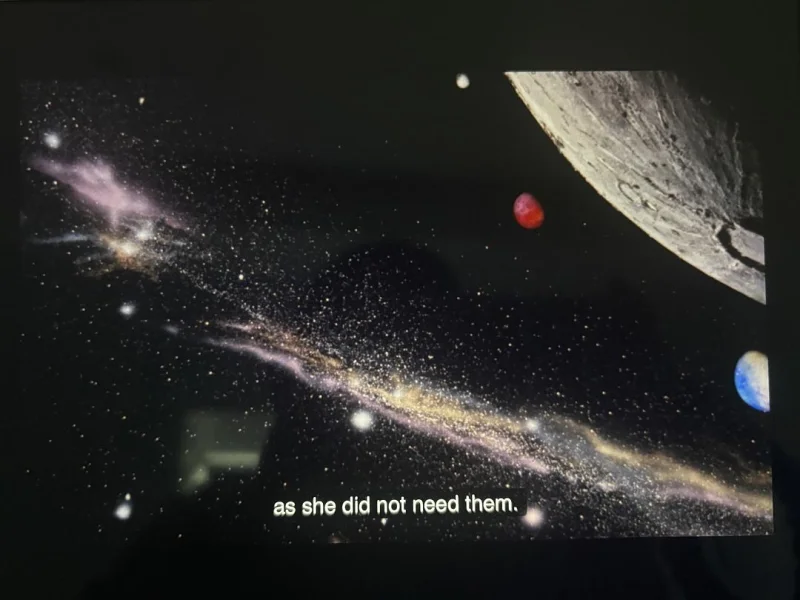
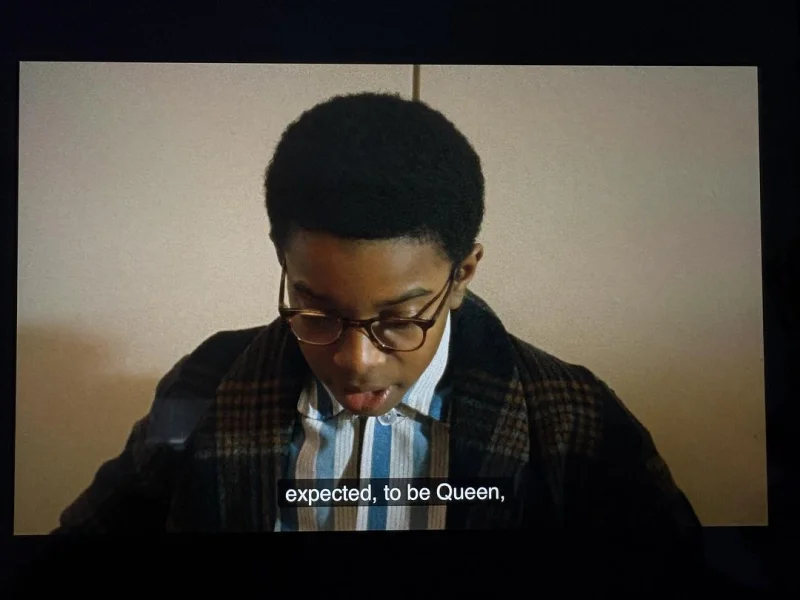
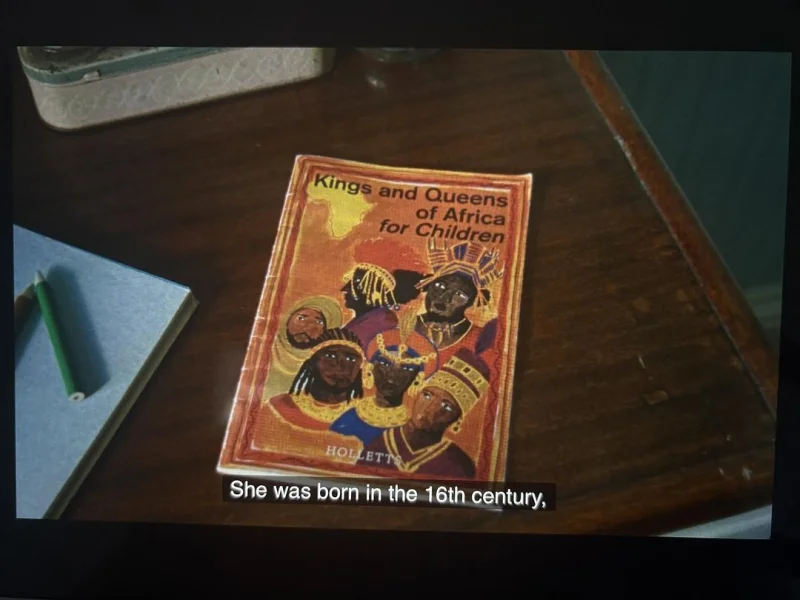
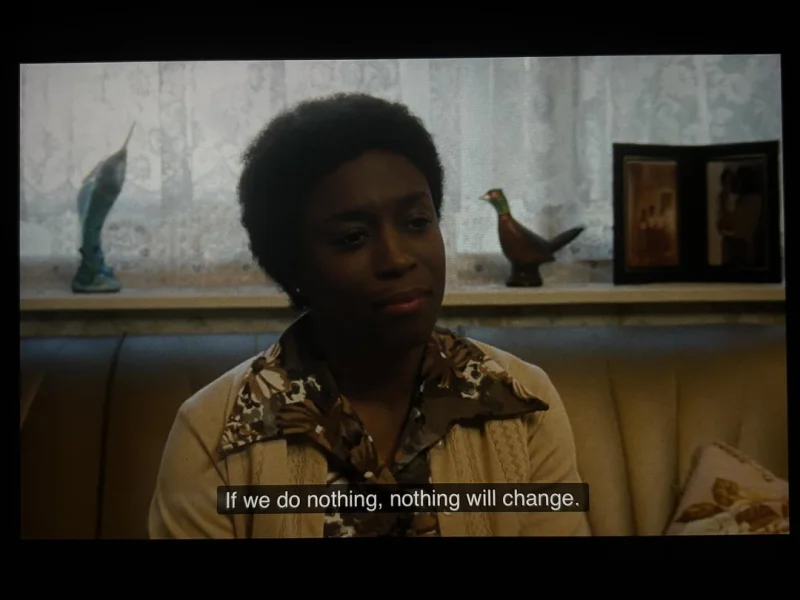
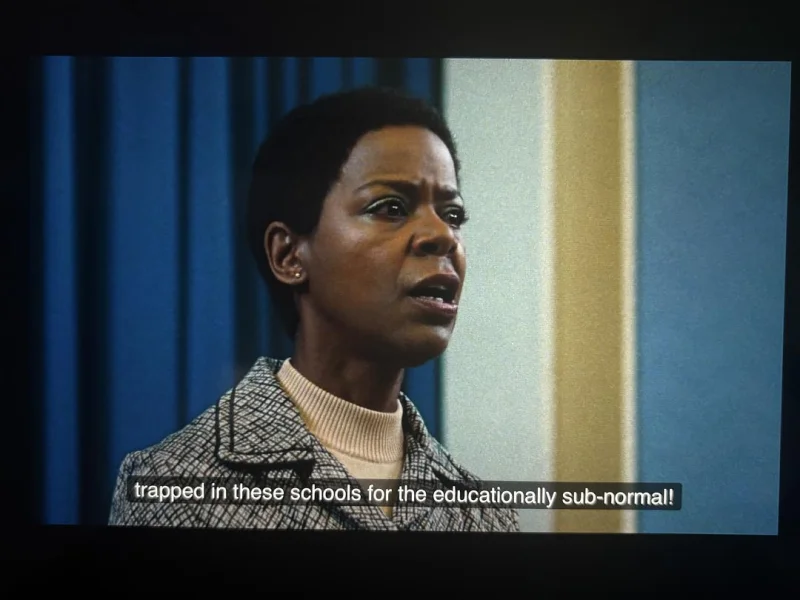
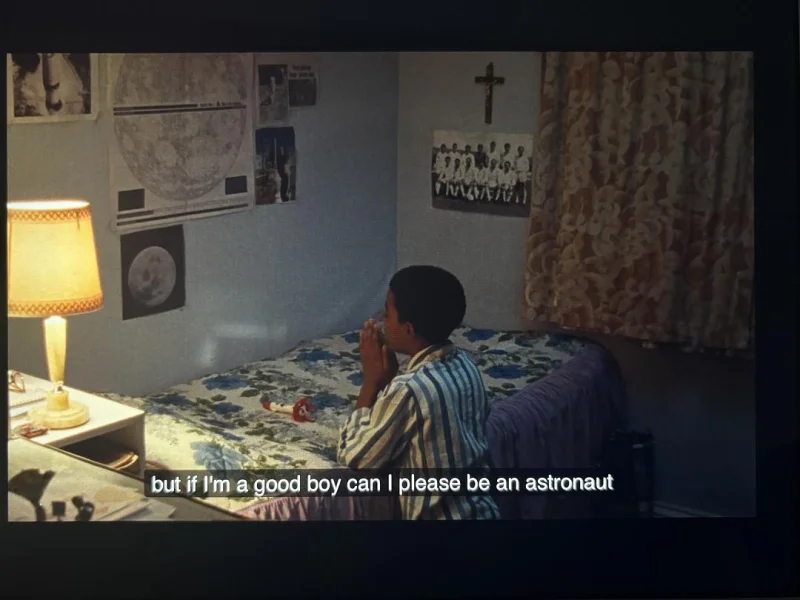
1. Invisible Language and Cultural Bullying: When “Small” Biases Silence IdentityWhat haunted me most was the film’s depiction of hidden forms of bullying—not just overt cruelty, but subtle, daily dismissals that chip away at a child’s sense of self. Kingsley’s excitement about his astronaut dream is met with indifference; teachers call on majority peers more often, or correct Kingsley’s speech with a sharpness they don’t use for others; the school’s history lessons focus only on a dominant cultural narrative, erasing contributions from minority ethnic communities entirely. These moments aren’t “harmless”—they create a suffocating atmosphere where Kingsley’s anger and frustration have no outlet, making his eventual “resistance” feel feeble.Most poignant is the scene where Kingsley struggles to read a word aloud. That stumbling isn’t just about literacy—it’s a metaphor for how his inner world, his aspirations, and his identity are being silenced. The school’s failure to meet him where he is, to honor his cultural background and voice, turns education from a lifeline into a barrier.2. Schools as Mirrors of Society: Bias Isn’t “Innocent”—It’s LearnedThe film shatters the myth of schools as “pure ivory towers.” The younger children in Kingsley’s class don’t start with prejudice—they learn it, consciously or unconsciously, from the world around them: the way teachers treat minority ethnic students, the lack of diverse stories in textbooks, or even casual comments from adults about “who belongs” in “advanced” classes. This is the cruel truth: childhood bias is a reflection of systemic discrimination, not “innocent” naivety.Yet this also highlights education’s greatest purpose. If schools can perpetuate unfairness, they can also dismantle it—by centering diverse voices, training teachers to recognize their biases, and creating spaces where every child feels seen. The film’s tragedy isn’t just Kingsley’s suffering, but how the school fails to fulfill this purpose.3. Question the “Objectivity” of Tests: Numbers Hide Cultural BiasThe film’s critique of standardized testing resonated deeply with our discussions of education policy. The IQ test Kingsley takes is framed as “neutral,” but it’s steeped in cultural bias—referencing experiences, vocabulary, and cultural knowledge that minority ethnic children from working-class backgrounds (like Kingsley) are less likely to have. Similarly, global assessments like the OECD’s PISA, which we often treat as “objective” measures of success, exclude groups like new immigrants (many of whom belong to minority ethnic communities), skewing results to favor dominant cultures.We’ve grown accustomed to trusting numbers because they feel “logical,” but Education reminds us to ask: What assumptions lie behind these tests? Who is included, and who is erased? If a test’s premise ignores cultural diversity or systemic barriers, its results can’t be “fair”—they just reinforce existing inequalities. This is a call to be critical of the “data-driven” narratives that often shape education policy, and to demand assessments that honor the full complexity of students’ lives.4. Hope in Collective Action: “I Won’t Let Nothing Alone”By the end of the film, I cried—not just for Kingsley’s pain, but for the hope sparked by the community organization that fights for him. Their mantra, “I won’t let nothing alone,” is a powerful reminder that change doesn’t happen in isolation. Education can’t fix everything, but it can be a force for justice—if we, as future educators, policymakers, or community members, refuse to stay silent.For me, this moment underscored why our master’s discussions matter. We’re not just studying education—we’re preparing to be part of that collective effort: to challenge biased tests, to train teachers to address systemic inequities, to push for curricula that reflect all students (including minority ethnic communities). Kingsley’s story isn’t just a “film plot”—it’s the reality for too many children from minority ethnic backgrounds. And if we keep asking, “What would make this better?” and acting on those answers, education can change lives, and ultimately, change systems.In short, Education isn’t just a film about one boy—it’s a wake-up call. It asks us to stop seeing “education equity” as an abstract term, and to start seeing it in the faces of students like Kingsley: students who deserve more than silence, more than bias, more than a system that was never built for them. Let’s keep that call in mind as we move forward.


